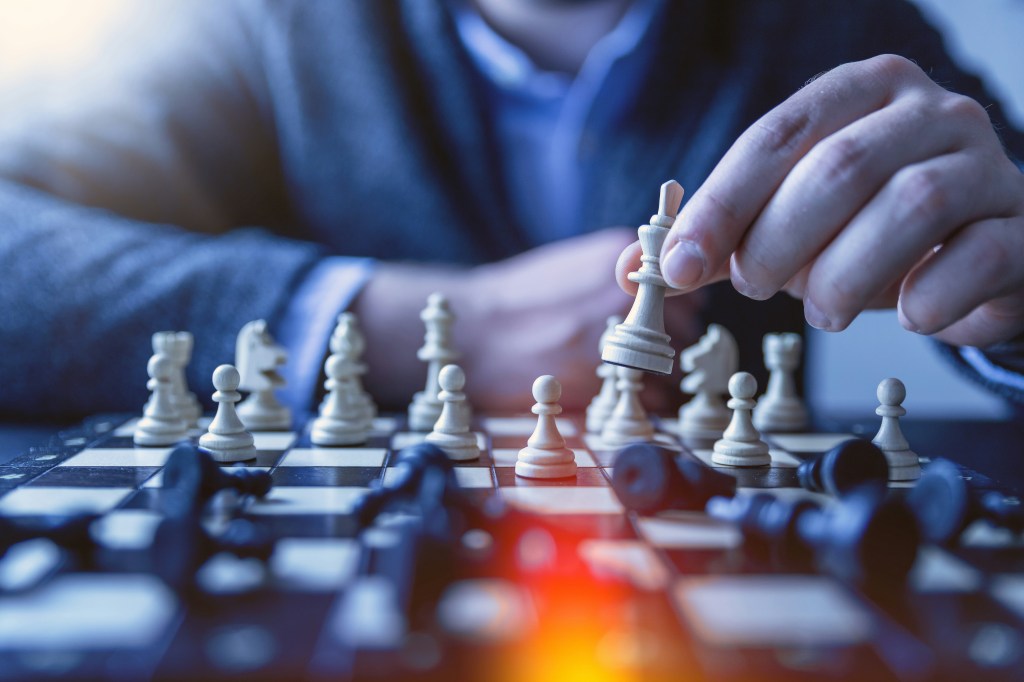
What La Bataille de Gaulle reveals about liberty, leadership, alliances and the capability of peace. Beyond the tip of the iceberg, to me, it unveils many interconnected layers.
Personal note! Some films are simply watched. Others highly worthwhile – stay with you. Because they unexpectedly or deliberately unbox heaps of connected insights and perhaps many reflective learning curves.
Antonin Baudry’s 2026 historical film La Bataille de Gaulle: L’Âge de fer—released internationally as De Gaulle: Résistance—did the latter for me.
A small confession: I have only recently started watching more French films. This is partly to improve my French, but also to immerse myself in France’s rich cultural heritage. Until now, much of the European history I encountered on screen arrived through an American or British lens. Watching it told in French feels different: not necessarily more objective, because no storytelling is, but more intimate and expansive. The culture is remembering itself through history and art, beautifully blended.
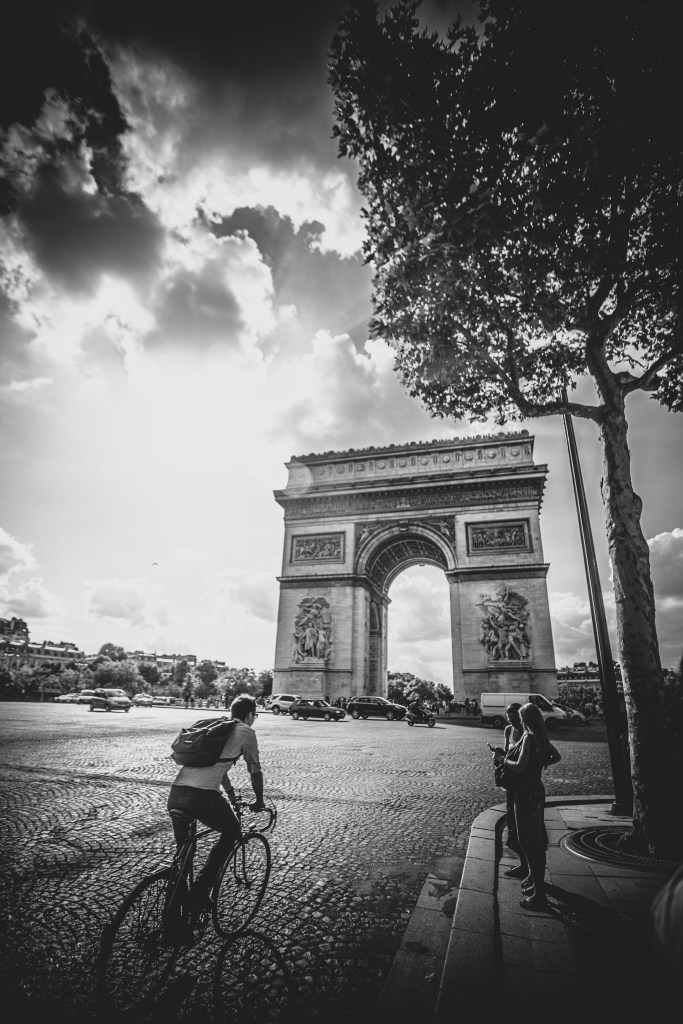
As a side note, film may be one of humanity’s finest contemporary creations, combining image, language, music, technology, and memory. Fun fact: cinema’s symbolic public birth is often dated to 28 December 1895, when the Lumière brothers held their first paid public screening in Paris (La Cinémathèque française, 2021). Film still lets us enter a moment we never lived (with bits or heaps of imagination and fantasy) and leaves us wonderfully questioning the moment we do.
Charles de Gaulle – Étoile?
Charles de Gaulle is a French hero, founder of the Fifth Republic, and one of the principal architects of modern France. Calling him “the father of France today” may be too absolute. Frankly, contemporary France was built by institutions, citizens, resistance fighters, allies, immigrants, and generations of social change. Yet his imprint on its political architecture and idea of strategic independence is undeniable.
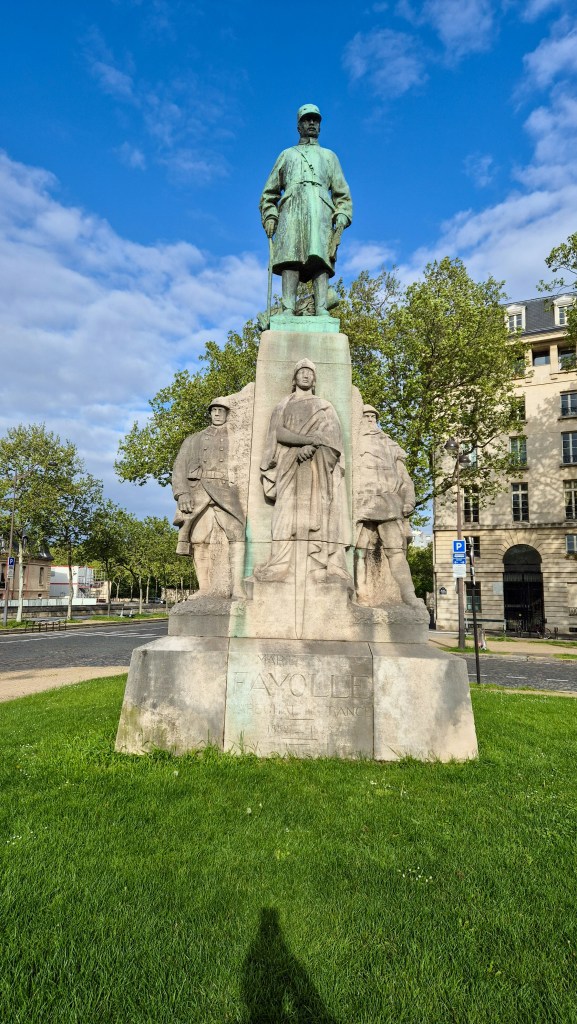
The film left me with a question inclining toward contemporary-humanistic- leadership-taught-and – learnt- debated theories/framework at business school, but also observed in reality. The golden million-dollar globally-influenced immediately impacted millions of people question: are strategists born, or built?
A bit of context, De Gaulle was not born as the monumental figure commemorated in airports, avenues, and metro stations. Character crystallises through choices – mostly tough ones, I suppose, in that historically unforgettable period. In June 1940, Paris fell under German occupation, and the Vichy regime replaced republican democracy with an authoritarian state collaborating with Nazi Germany. De Gaulle was the leader who refused to treat military collapse as the final meaning of France (Vie publique, 2024).
He left for London without an army of his own, broad political backing, or any guarantee of success. It is still a move that was inevitably controversial. The film brilliantly portrays the linguistic and political distance between him and the British establishment – Winston Churchill’s command of French adds a rather charming contrast.
Fun notes aside, what de Gaulle had, to me, was conviction and perseverance: a man with vision, belief, hopes, and dreams for his country. Similar qualities can be found in many notable national and international leaders: Roosevelt, Obama, and Mark Rutte, to name a few, regardless of one’s political views on their policies.
However, conviction alone is a beautifully worded hope and aspiration. To become a strategist, a chess player capable of winning the war, not merely individual battles, the holistic plan needed people, territory, information, legitimacy, and alliances. It also required patience, timing, the ability to collect data, and the judgment to make tough but optimally justified decisions. As in strategy theory, especially in this VUCA world, the most optimal decision-making might only be right at the time.
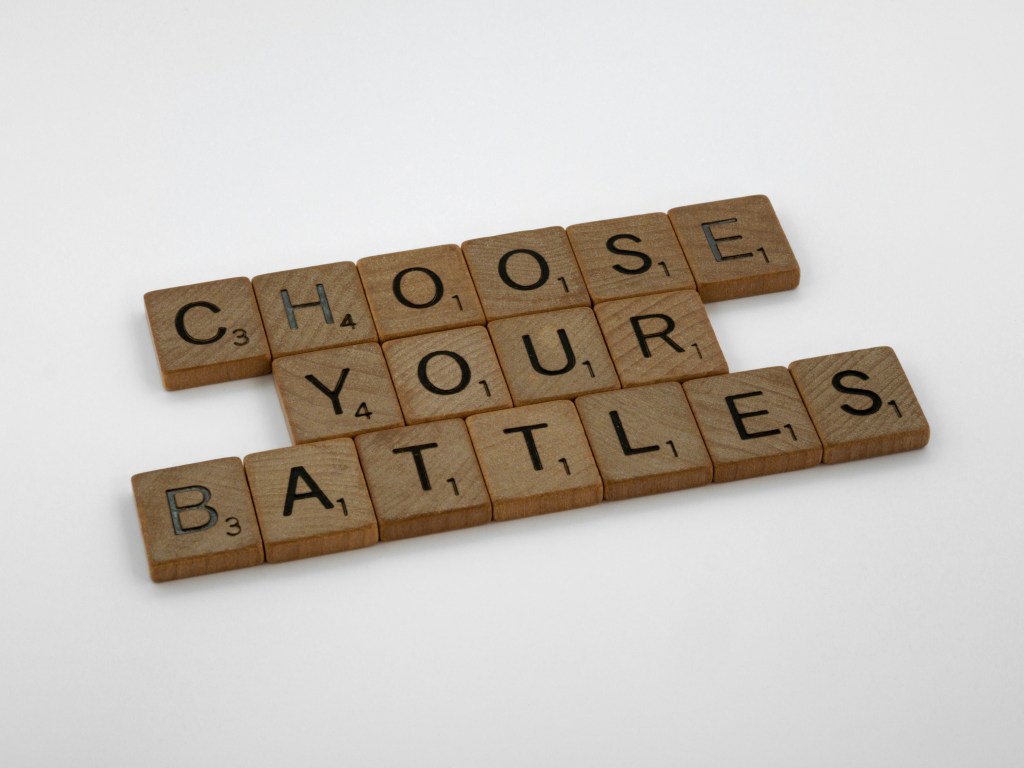
On a personal note, I was strongly impressed by General Philippe Leclerc de Hauteclocque, whom I discovered more deeply at the Musée de la Libération de Paris. He was one of the essential commanders who turned de Gaulle’s vision into military capability: rallying Cameroon, leading the Free French campaign from Chad, and later commanding the 2nd Armoured Division during the Liberation of Paris (Musée de la Libération de Paris, n.d.).
Allies, colonies, friends or foes, or something in between?
The wider map complicates the heroic story. Chad rallied to Free France under Félix Éboué in August 1940, followed by Cameroon, giving the nascent movement territory, people and greater legitimacy with Britain (Fondation Charles de Gaulle, 2017). Morocco and Algeria remained under Vichy authority until the Allied landings of 1942 shifted the balance.
The liberation of France was, undoubtedly, not France’s achievement alone. It depended on British support, American industrial power and troops from across France’s African empire. Were they allies, colonial subjects or both? History resists the comfort of a single label.
There is an even deeper contradiction. France fought to recover its liberty while denying full self-determination to colonised peoples. The post-war order could not indefinitely defend freedom in Europe and restrict it in Africa. In 1960- the “Year of Africa” – 17 African countries became independent, and the United Nations adopted its landmark declaration against colonial rule (United Nations, 2010; United Nations, 1960).
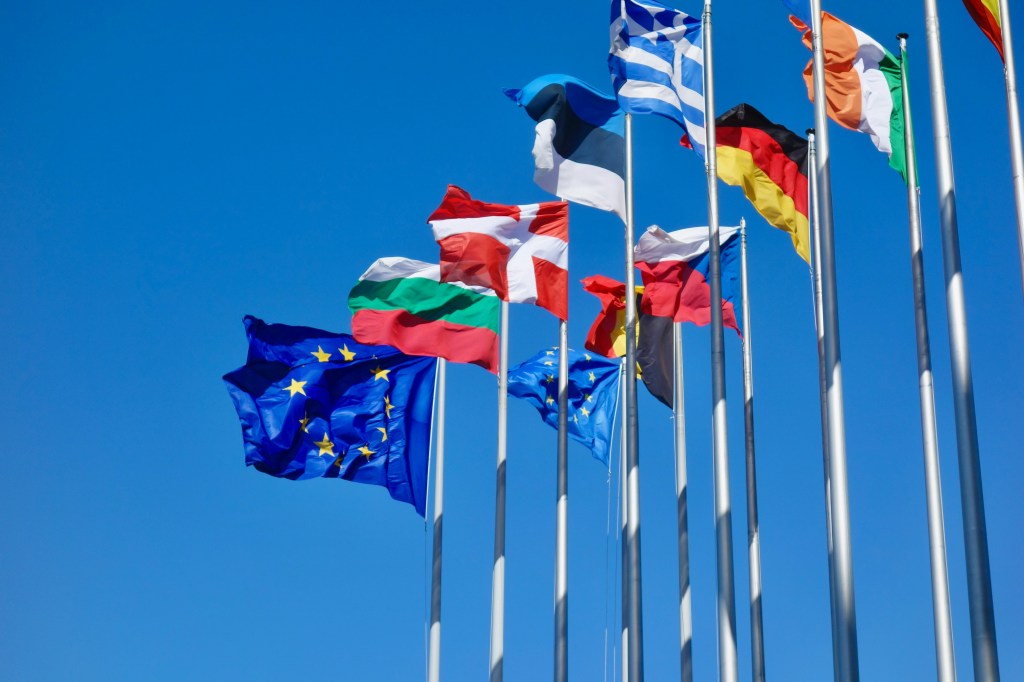
Yet a flag can change in a day. A profoundly rooted system, built over centuries, rarely does. Languages, administrative structures, trade networks, and financial dependencies survived political independence. The continuing debate around the euro-pegged CFA franc. It was examined critically by the Harvard International Review, which shows why sovereignty is not merely ceremonial. It is also institutional, economic, and monetary.
Merely my observation: in the last century, power was often demonstrated through military muscle. By the 1980s, globalisation, exports, imports, and international trade had become increasingly prominent. Is power now also exercised through the softer export of culture: South Korea’s K-pop, K-beauty and K-dramas, for example?
Nonetheless, have the United States, United Kingdom, France and Spain already been doing this for centuries through language, culture, couture, fashion and more?
Just food for thought.
From the Bastille to the Champs-Élysées in 2026
France’s relationship with liberty predates de Gaulle. The storming of the Bastille on 14 July 1789 emerged from unequal privilege, state debt, taxation and suffering intensified by food scarcity. It did not abolish the monarchy immediately. That came in 1792. But it became a defining symbol of citizens challenging concentrated power.
To borrow a cheeky modern phrase, “Ce n’est pas Versailles ici.” The Revolution’s message was far more serious: public authority cannot remain indefinitely detached from public hardship.
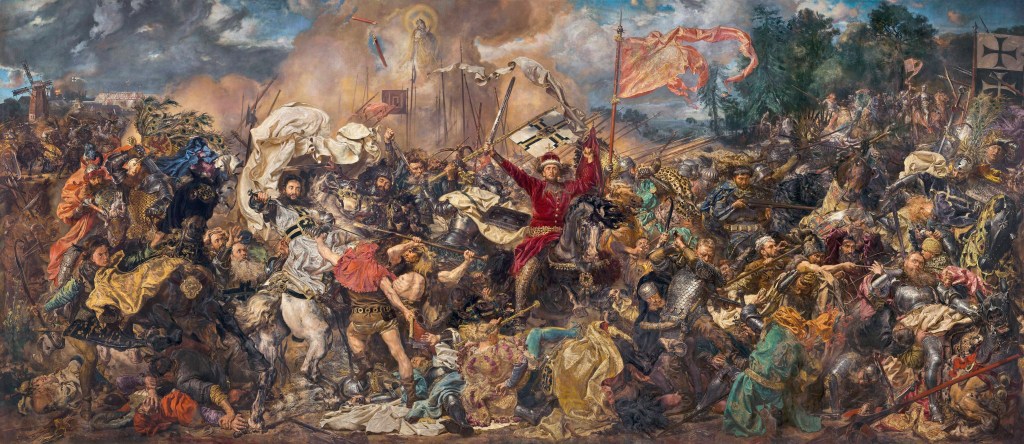
That history made the 14 July 2026 military parade particularly striking. In what is likely to be the final Bastille Day parade of the Macron presidency, France displayed considerable military strength but not alone. Nearly 500 allied troops representing 35 nations opened the parade, which highlighted Europe’s “strategic awakening” (Élysée, 2026).
The key message was tactically delivered, loud and clear: we are united as one in pursuit of a more peaceful world. To simply put: a force for good!
The image captured a central paradox: independence requires capability, but security requires cooperation.
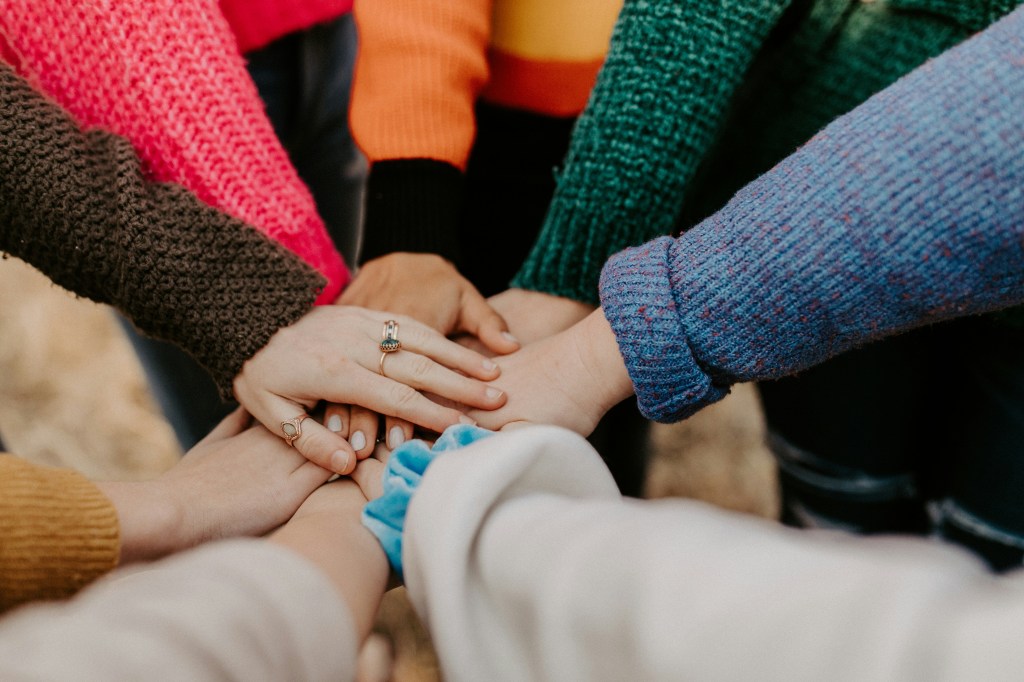
At Davos 2026, Finnish President Alexander Stubb observed that the world order is changing much as it did after 1918, 1945 and 1989. He contrasted a transactional world of deals and spheres of influence with a multilateral order built on rules, institutions, and shared agency (World Economic Forum, 2026).
The comparison is not perfectly symmetrical, but the signal is clear: we are again living through a reordering whose outcome is not predetermined.
The capability that matters most
A chain is only as strong as its weakest link. In supply-chain terms, a bottleneck or concentrated dependency can transmit disruption across an entire network. Strengthening and diversifying vulnerable links. Therefore, it reinforces the whole system. Though the OECD cautions that resilience does not mean retreating from international trade (OECD, 2025). The same logic applies to alliances, public institutions, and human communities.
We are now, supposedly, entering the first phase of an AI revolution. Businesses, institutions and workforces are being tested by changing roles, uncertain skills requirements and difficult questions about which decisions should remain distinctly human.
It is a tricky time! Nevertheless, not humanity’s first technological turning point.
Agricultural, industrial, electrical, and digital revolutions each disrupted established ways of living and working. We did not merely survive them; with adaptation, safeguards, and shared effort, societies also created new capabilities and forms of prosperity.
The future of work will undoubtedly change again. The more constructive question is not whether humans can compete with technology. Yet, how people and technology can work in partnership to accelerate human progress.
That requires collaboration among governments, businesses, researchers, educators and workers, not a race shaped by only a few powerful actors.
Speaking at the World Artificial Intelligence Conference in July 2026, United Nations Secretary-General António Guterres put the principle simply: “Technology must serve people, not the other way around.”
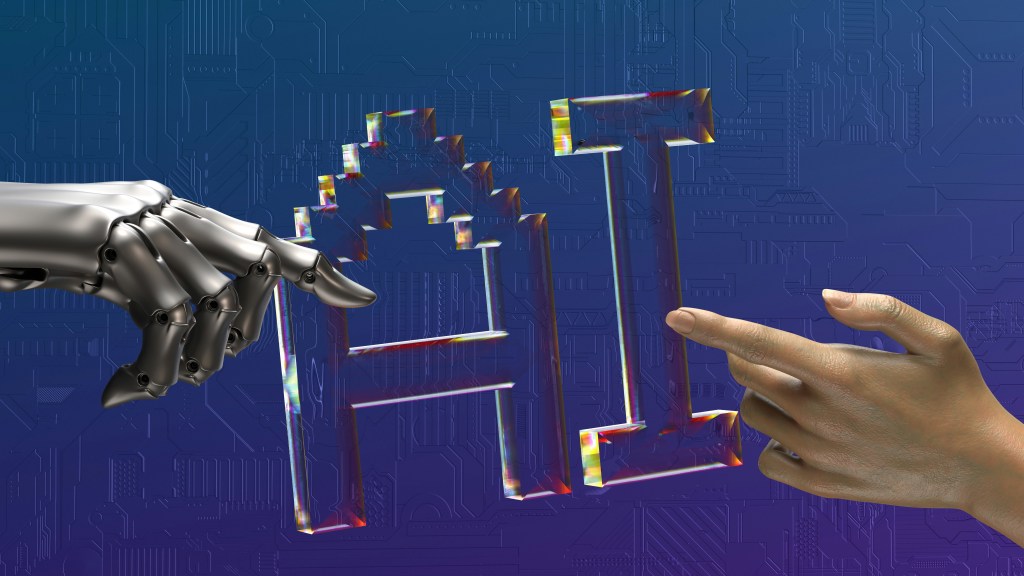
He described AI as both a test of technology and a test of solidarity, urging countries and companies to act as partners so its benefits expand dignity, opportunity and sustainable development rather than inequality (United Nations Sustainable Development Group, 2026).
Ultimately, technology is a tool. Humanity must remain its purpose.
Globally, Ukraine makes the consequences painfully tangible. War damages buildings, infrastructure and economies, but the losses do not end where spreadsheets do. They reach bodies, trust, education, childhood, social cohesion and mental health.
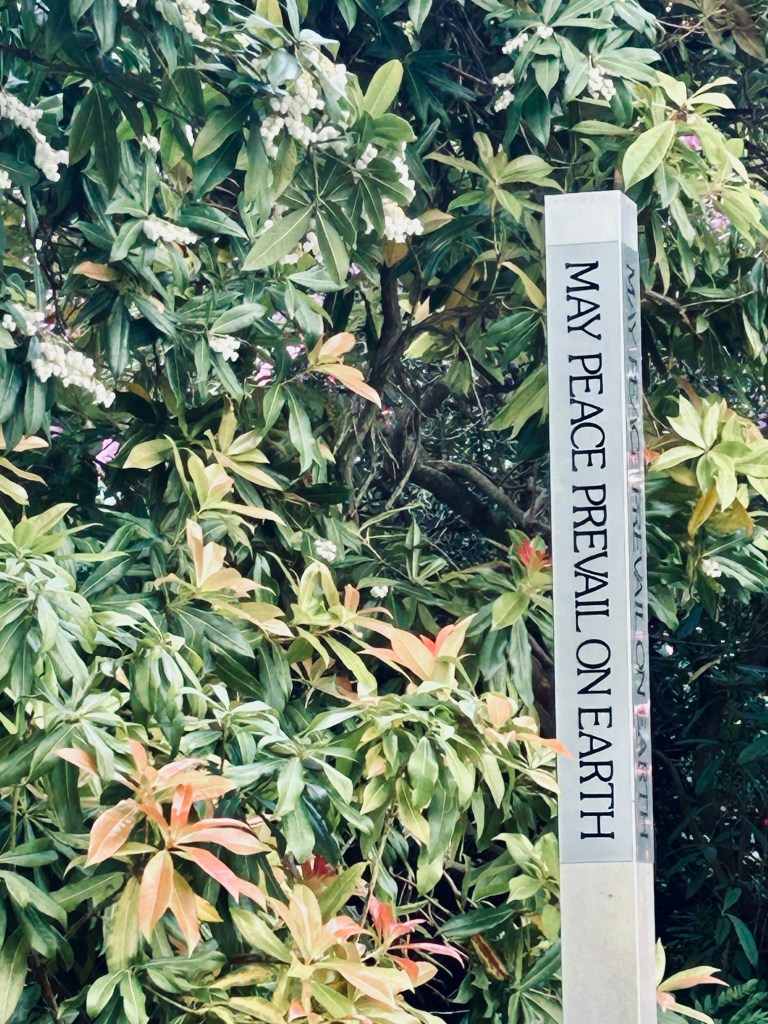
Russia’s full-scale invasion in 2022 tightened gas supplies, pushed up energy prices and disrupted economies far beyond Ukraine (International Energy Agency, 2022).
The domino effect remains visible. In 2026, the wider Middle East conflict disrupted airspace and energy flows, while higher fuel costs fed into airfares. The International Air Transport Association projected a 70% year-on-year increase in average jet-fuel prices and a 7% rise in passenger-ticket yields (IATA, 2026).
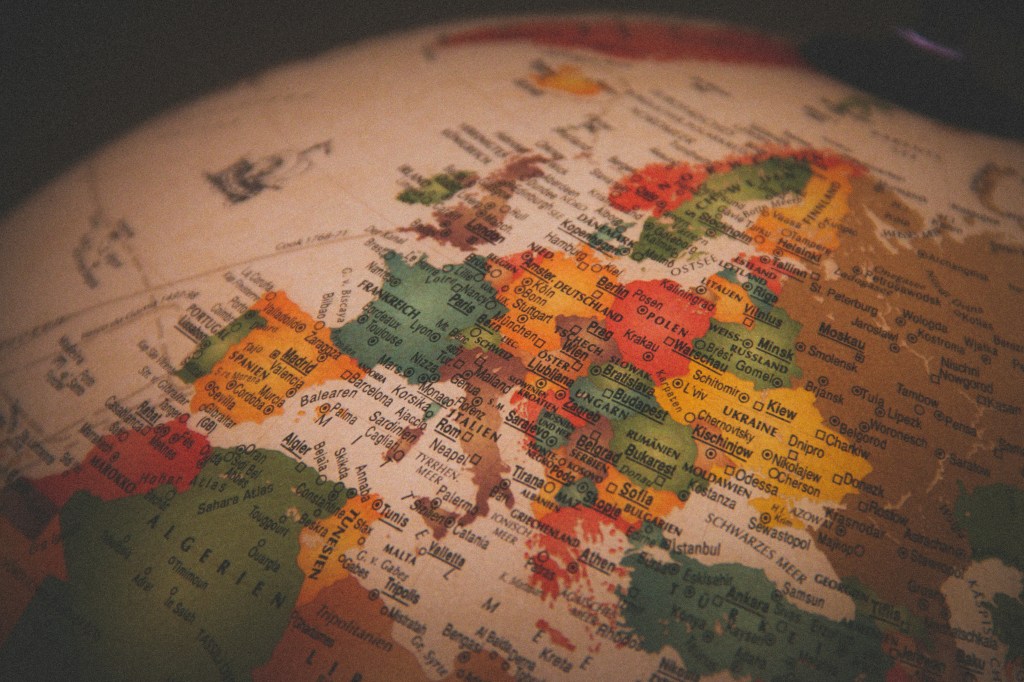
Ultimately, decisions made within an inner circle can produce wider consequences borne most heavily by the vulnerable.
In 2026, the World Health Organization reported that 72% of surveyed people in Ukraine had experienced anxiety or depression during the previous year, while only one in five sought help (WHO, 2026). These are wounds that reconstruction budgets cannot simply recovered nor healed completely.
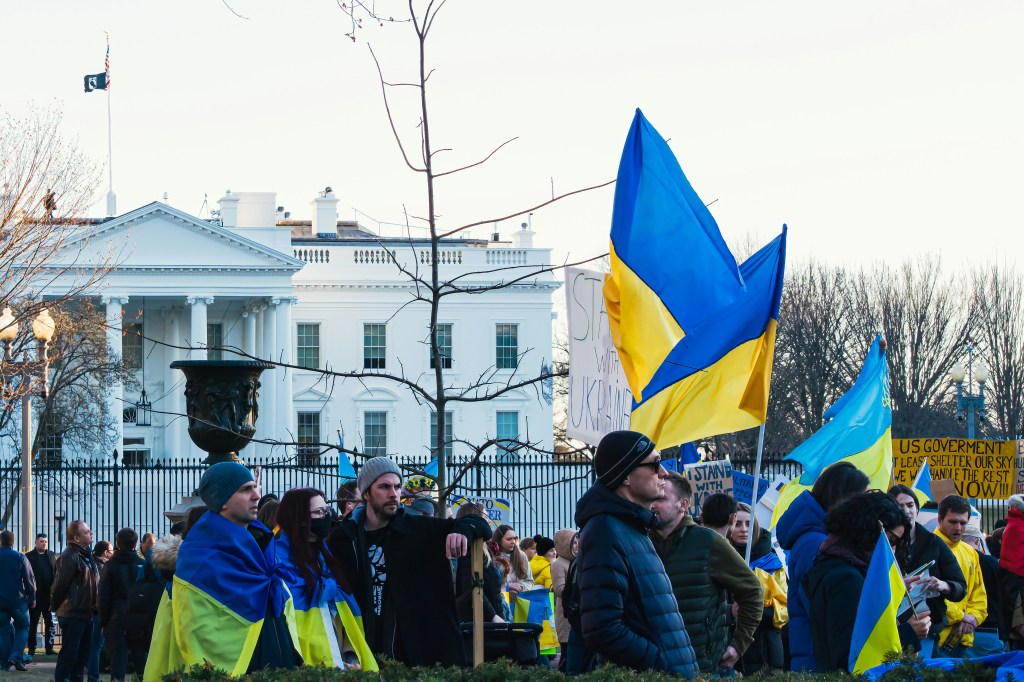
Expansionism may redraw a map. It cannot create human development or bring humanity higher or closer to the sky.
Perhaps this is what La Bataille de Gaulle ultimately left with me. De Gaulle’s character was not a gift fully formed at birth, nor was he born with a “golden spoon.” It was immensely built through upheavals, failures, refusal, strategic vision and difficult alliances. Most importantly, it was built through the ability and strength to act before success was visible.
But history’s highest lesson is not how to win wars. It is why peace must be protected before another generation learns its value through loss.
Peace is not passive. It is infrastructure, restraint, cooperation, and daily human work. It is, undoubtedly, the most important capability we build together.
References
Bennett, N., & Lemoine, G. J. (2014, January–February). What VUCA really means for you. Harvard Business Review, 92(1/2), 27. https://hbr.org/2014/01/what-vuca-really-means-for-you
Élysée. (2026, July 13). Défilé militaire du 14 juillet 2026. https://www.elysee.fr/emmanuel-macron/2026/07/13/defile-militaire-du-14-juillet-2026
Fondation Charles de Gaulle. (2017). Les ralliements : Les Trois Glorieuses, août 1940. https://www.charles-de-gaulle.org/les-activites/grand-public/expositions/de-gaulle-et-lamitie-franco-africaine-70eme-anniversaire-de-lafrique-francaise-libre/
International Air Transport Association. (2026, June 7). Middle East disruptions and high fuel prices halve airline industry profitability. https://www.iata.org/en/pressroom/2026-releases/06-07-middle-east-disruptions-high-fuel-prices-halve-airline-industry-profitability/
International Energy Agency. (2022, April 15). Global natural gas demand set to decline slightly in 2022 as Russia’s war disrupts markets and economies. https://www.iea.org/news/global-natural-gas-demand-set-to-decline-slightly-in-2022-as-russias-war-disrupts-markets-and-economies
La Cinémathèque française. (2021). Musée Méliès : La magie du cinéma. https://www.cinematheque.fr/media/2021-11-25-dossier-de-presse-mus-e-m-li-s.pdf
Musée de la Libération de Paris–Musée du Général Leclerc–Musée Jean Moulin. (n.d.). Philippe Leclerc de Hauteclocque (1902–1947). https://www.museeliberation-leclerc-moulin.paris.fr/en/museum/philippe-leclerc-de-hautecloque
Organisation for Economic Co-operation and Development. (2025, June 2). 2025 OECD Supply Chain Resilience Review launch. https://www.oecd.org/en/about/news/speech-statements/2025/06/2025-oecd-supply-chain-resilience-review-launch.html
United Nations. (1960, December 14). Declaration on the granting of independence to colonial countries and peoples. https://legal.un.org/avl/ha/dicc/dicc.html
United Nations. (2010, August 15). A “wind of change” that transformed the continent. Africa Renewal. https://africarenewal.un.org/en/magazine/wind-change-transformed-continent
United Nations Sustainable Development Group. (2026, July 17). “Technology must serve people, not the other way around”: UN Secretary-General at the World AI Conference. https://unsdg.un.org/latest/announcements/technology-must-serve-people-not-other-way-around-un-secretary-general-world
Vie publique. (2024, January 15). Régime de Vichy et Résistance (1940–1944). https://www.vie-publique.fr/fiches/268978-regime-de-vichy-et-resistance-1940-1944
World Economic Forum. (2026, January 22). Davos 2026: How middle powers are reading the global moment. https://www.weforum.org/stories/geo-economics-and-politics/davos-2026-how-middle-powers-are-reading-the-global-moment/
World Health Organization. (2026, February 23). Attacks on Ukraine’s health care increased by 20% in 2025. https://www.who.int/news/item/23-02-2026-attacks-on-ukraine-s-health-care-increased-by-20-in-2025
 The Hummingbeez
Leave a comment