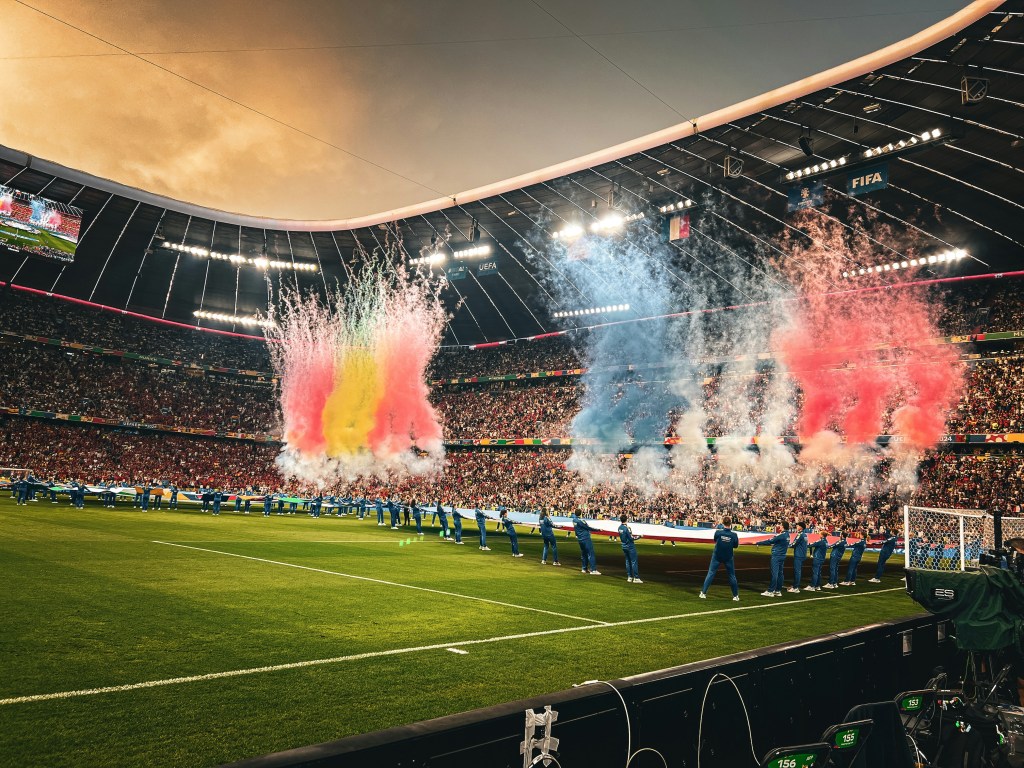
Admittedly, I could not have been less interested in sport as a kid. PE was barely passed.
Fortunately, some of my nearest and dearest, now in their 60s and 70s are still moving, travelling and living joyfully. Watching them convinced me to make physical movement non-negotiable. Not necessarily to become athletic, but to remain joyfully able.
For an overthinking, core INTP like me, movement is also a rare opportunity to step outside my own head, notice my surroundings, my breath. Whether all 5 senses have turned up for the day. Believe it or not, moving the body can also enlarge the perspective to an unlimited extent.
The World Health Organization confirms that physical activity supports physical and mental health. Personal experience, FOR SURE! For instance, it has been shown to reduce symptoms of anxiety and depression and improve cognitive wellbeing. This is increasingly essential as social media has become an integrated mainstream human communication. Pros and Cons debate, yet notably it strongly links to deterioration of human wellbeing.
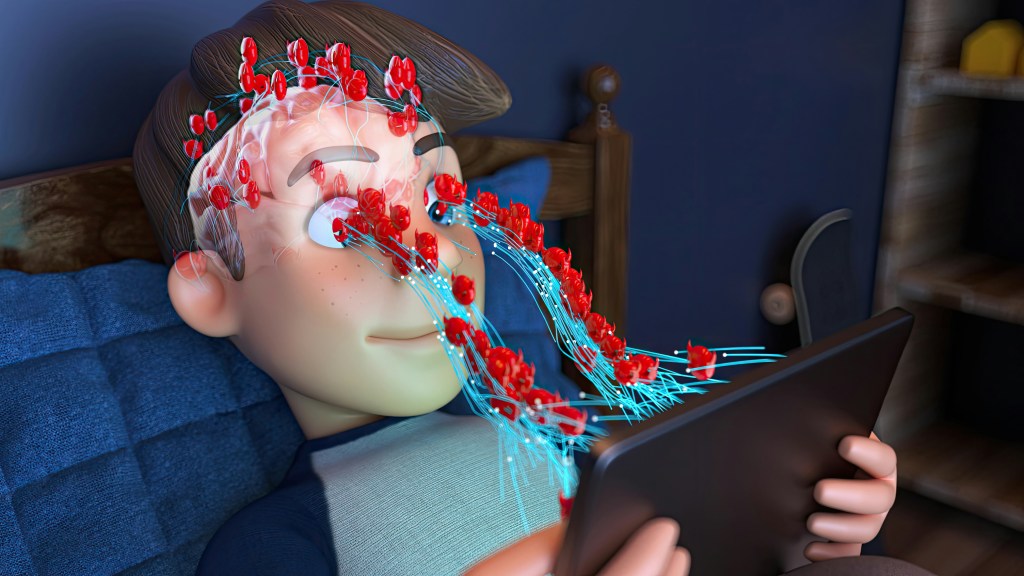
Physical movement is not simply about muscles. Sometimes, it is how the mind remembers that it can only function well thanks to a breathingly warm body. We may logically manage with the head and reasonably lead with the heart, but only a healthy body helps both function in balance.

Assumably, according to historical battles, one of my theories is that a genuinely happy, healthy, and emotionally secure leader would be less inclined to start a war. It’s probably worth reflecting on Hitler’s expansionism and Saddam Hussein’s invasion of Kuwait to Putin’s invasion of Ukraine.
DISCLAIMER ALERTS: These conflicts should not be reduced to one leader’s psychology. Ideology, nationalism, geopolitical ambition, institutional weakness + concentrated power also matter. In other words, leaders and their leadership matter, but the systems that enable them matter too.
This sparked broader questions about the relationship between the wealth and wellness of a nation.
1. The happiness–health–wealth pattern
Look at the World Happiness Report 2026. Finland remains first, followed by Iceland and Denmark. Sweden, Norway and the Netherlands also rank highly. Surprisingly, Costa Rica’s top 4th position reminds us that happiness is not exclusively a Nordic export 😉

Assumption break!! Sport itself is not merely a deterministic ranking criterion. The report draws on people’s evaluations of their lives, meanings, purposes, with income, social support, healthy life expectancy, and freedom. Plus, institutional trust helps explain national differences.
Still, the pattern is distinctive. Many high-life-satisfaction countries also offer public spaces, active transport, community sport, healthcare, and sufficient security for their citizens to invest time in improving quality of life.
2. And Yet, Why do wealthy countries achieve so many medals?
At the Paris 2024 Olympics, the United States and China each won 40 gold medals. Japan, Australia, France, the Netherlands, Great Britain, South Korea, Italy and Germany also featured prominently.
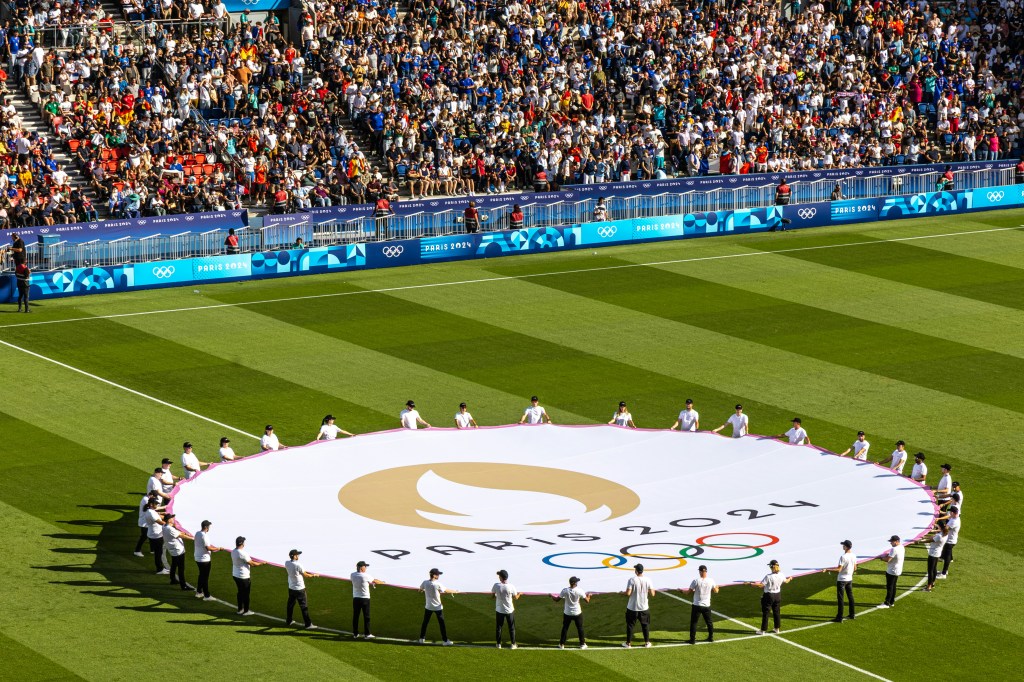
Although, these societies differ enormously in history, culture and civilisation (Hofstede’s cultural dimension framework). Yet most combine economic scale, sporting infrastructure, scientific expertise, education and institutional capacity. Research on economic development and Olympic medals similarly finds that income, population and host-country advantage help explain medal totals.
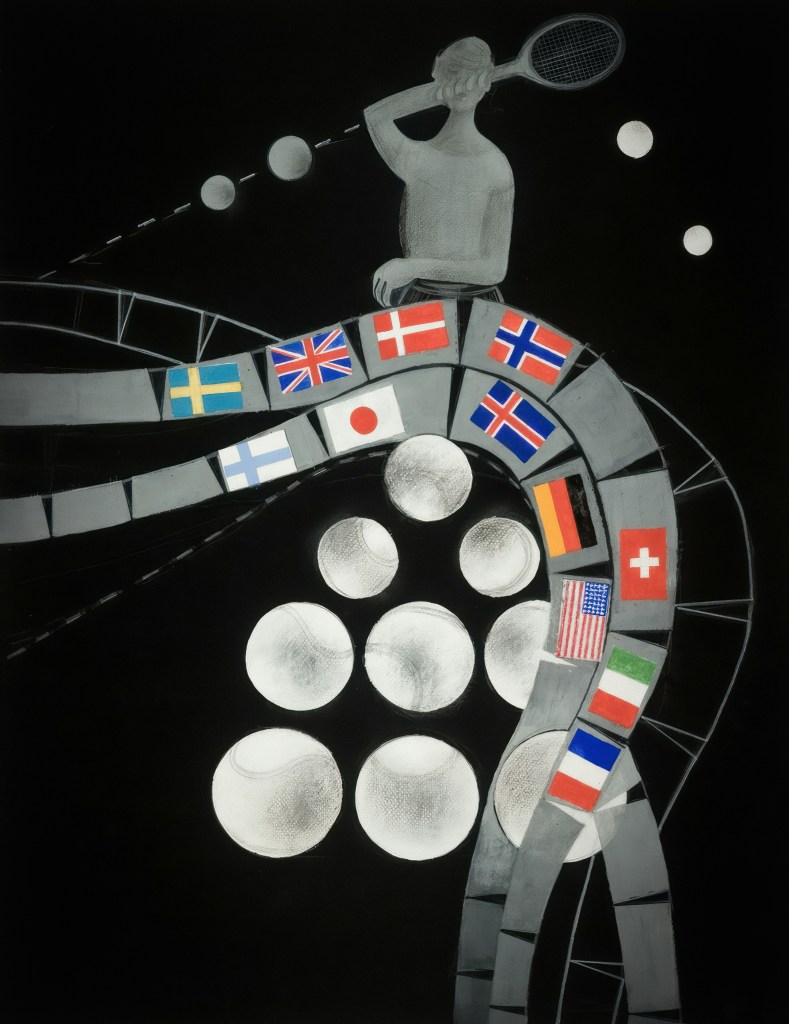
Hence, talent may be born universal. Systems that discover, invest, nurture and protect it are definitely built.
3. Chicken and Egg dilemna. Which comes first: wellness or wealth?
Must a nation become wealthy enough to invest in wellbeing, or does investment in a healthy population create lasting prosperity?
National strategy and public-finance governance determine whether resources are well allocated to healthcare, parks, sport, education and safe public spaces. In return, healthier people are better able to learn, work, create, participate and care for others.
The economic argument is substantial. The OECD’s Health at a Glance: Europe 2024 estimates that reaching recommended physical-activity levels could prevent more than 10,000 premature deaths annually across the EU.
Yet well-being alone does not eliminate crime, discrimination, inequality or instability. Human behaviour is more complicated than a morning jog. Social inclusion, education, opportunity and trust all matter.
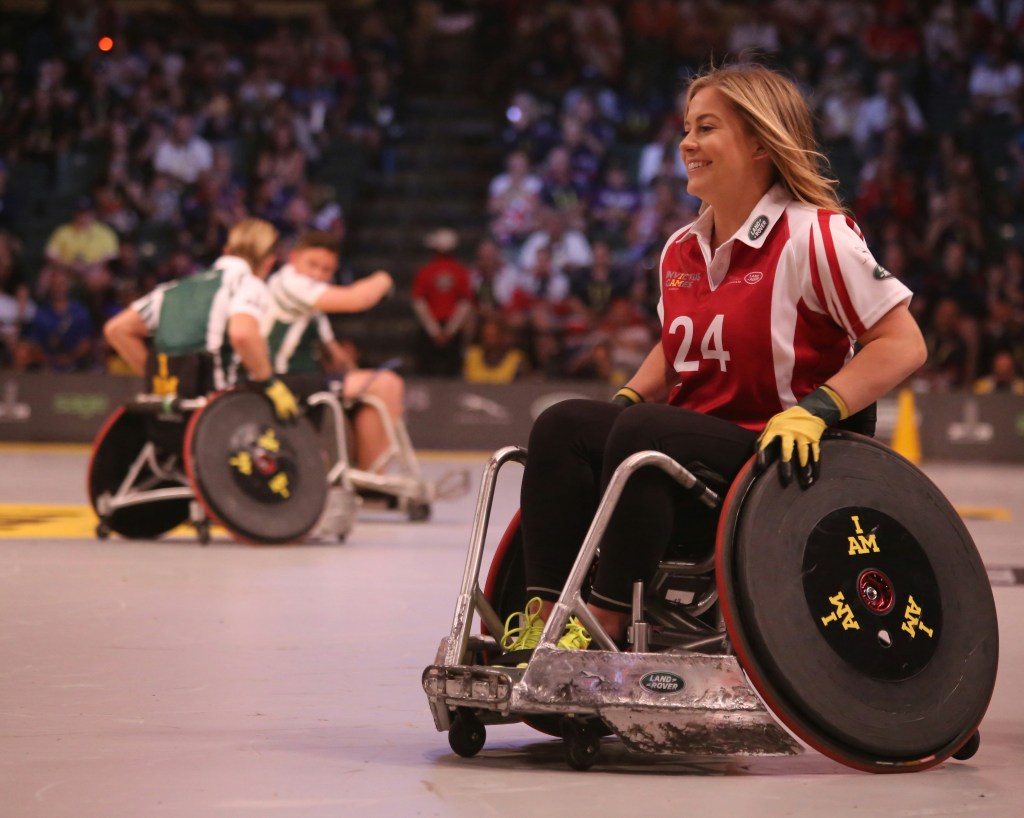
The point is therefore not to claim a simple causal chain. Wealth can support wellbeing, wellness and perhaps the more visible tips of the iceberg. But wealth certainly does not determine the holistic wellbeing of a nation.
4. When wealth is not the whole picture
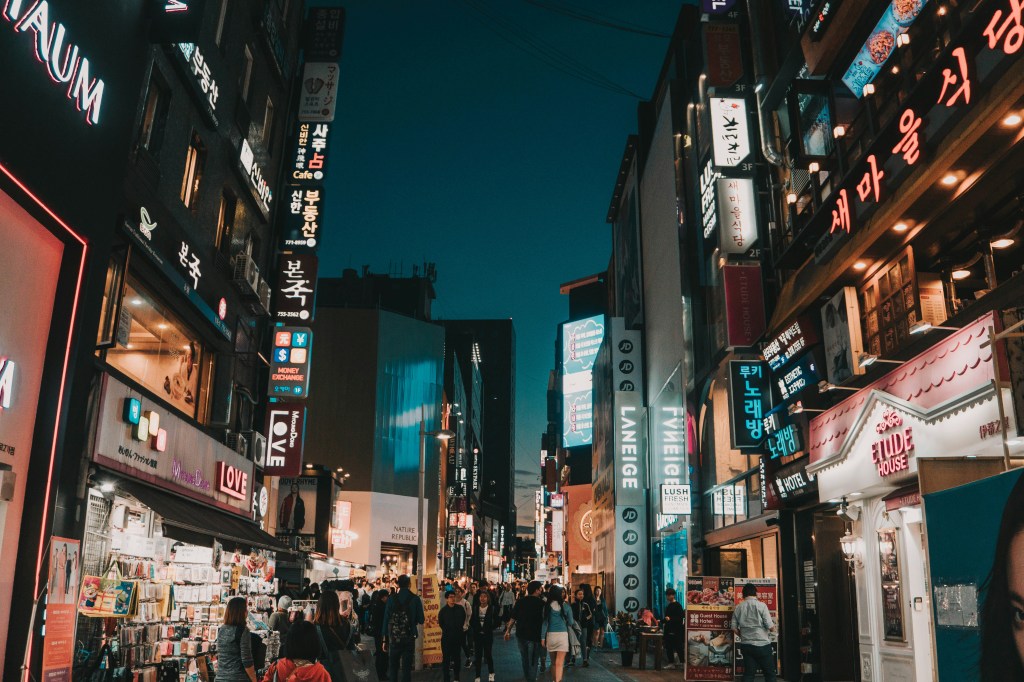
Lets take South Korea’s remarkable rise. As you might know the famously-described-as-the “Miracle on the Han River”. It transformed a war-damaged country into one of the world’s major economies. Yet the OECD reports that its exceptionally low fertility is connected to expensive housing and education, long and inflexible working practices, unequal caring responsibilities and a substantial gender wage gap.
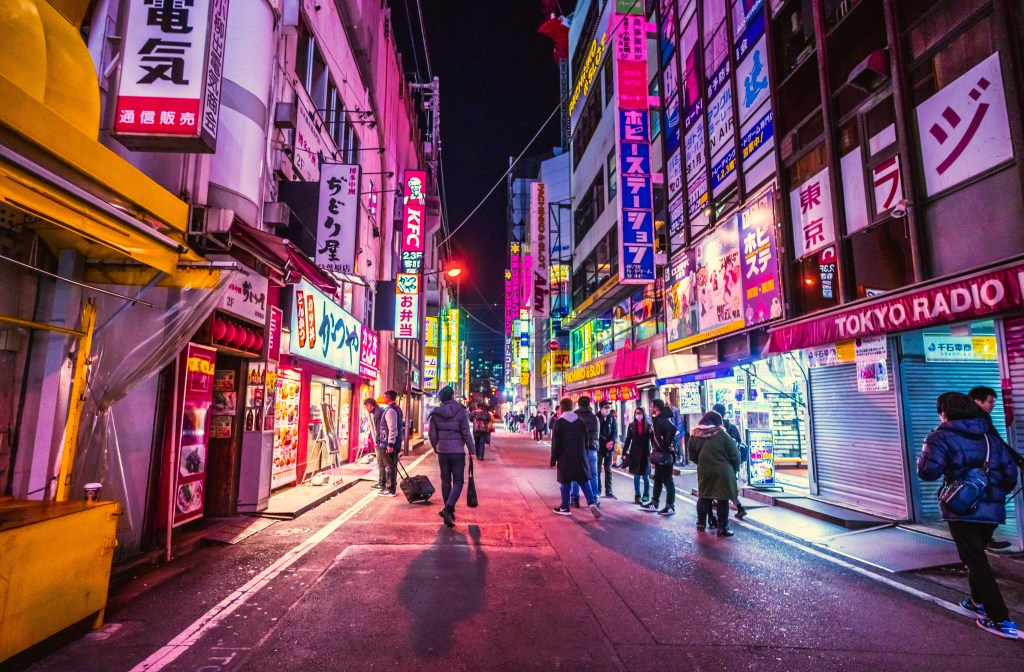
Alternatively, looking at the case of Japan. One of the decade-long or even century developed nation in Asia. It has remained both high economic and institutional capacit. Yet, alarmingly, population decline and low fertility has been a critical issue. The OECD Economic Survey of Japan highlights the cost of raising children and the continuing difficulty of combining paid work, family life and parenthood.
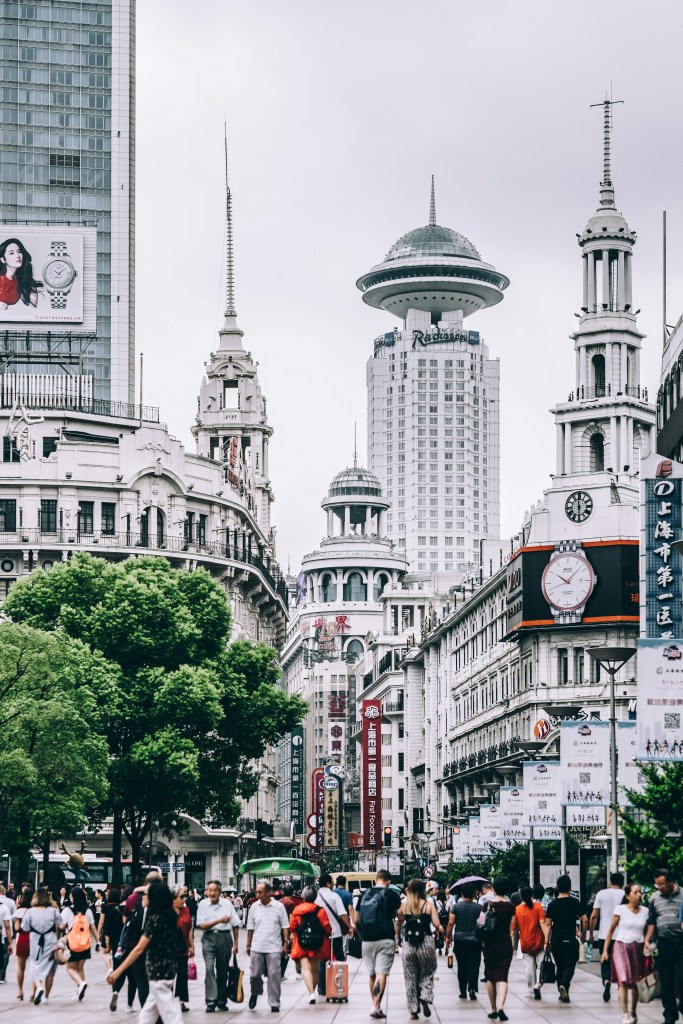
China, after decades of extraordinary economic expansion, is also experiencing what the United Nations Population Fund describes as sustained low fertility, rapid population ageing and rapid urbanisation.
This does not mean that economic development causes low birth rates. As a consequence, it signals an unhappy society. Rather, it suggests that economic success sherely cannot answer whether people feel sufficiently secure in their work, housing, relationships, and future to build the lives to their fullest potential and genuinely desire.
For an even clearer sporting example, take Brazil. The country hosted the 2014 FIFA World Cup and the Rio 2016 Olympic Games, displaying sporting passion, infrastructure and global ambition. Nevertheless, various nationwide protests demanded better hospitals, schools, universities and public transport, with citizens questioning why public money appeared to reach “beautiful stadia” more easily than dependable public services.
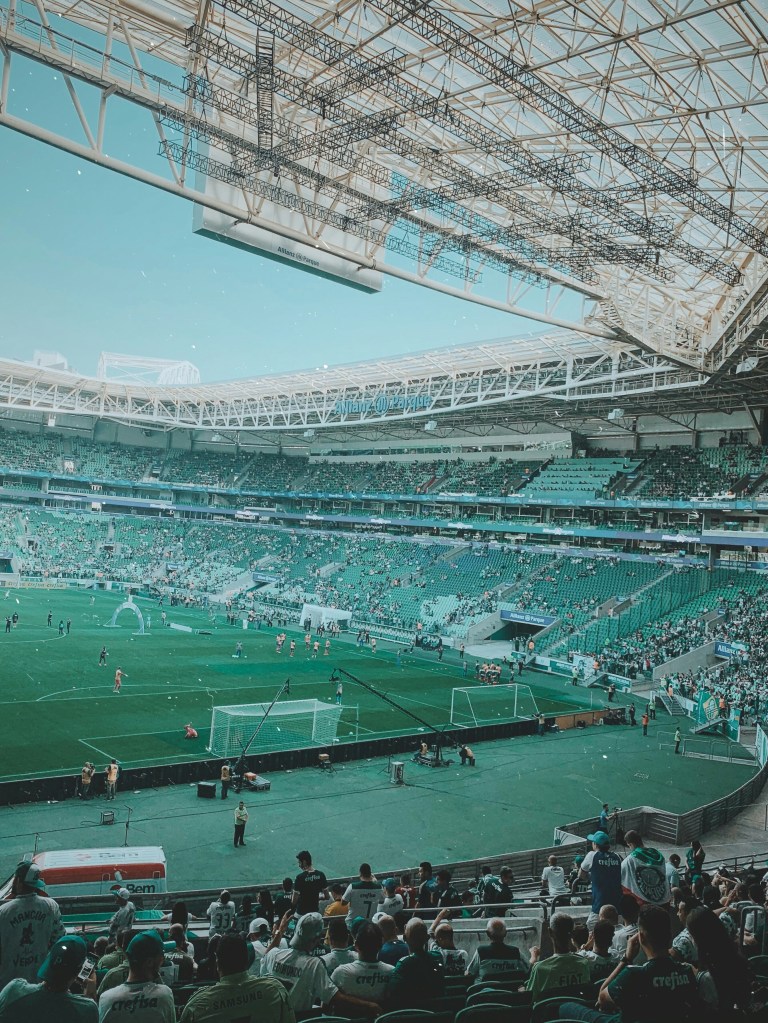
South Africa successfully hosted the 2010 FIFA World Cup, demonstrating major organisational and infrastructural capacity. Yet a World Bank assessment ranked it as the world’s most unequal country and found that opportunity remains strongly influenced by circumstances at birth, including location, race, and parental background; something inherently close to the “golden spoon” effect.
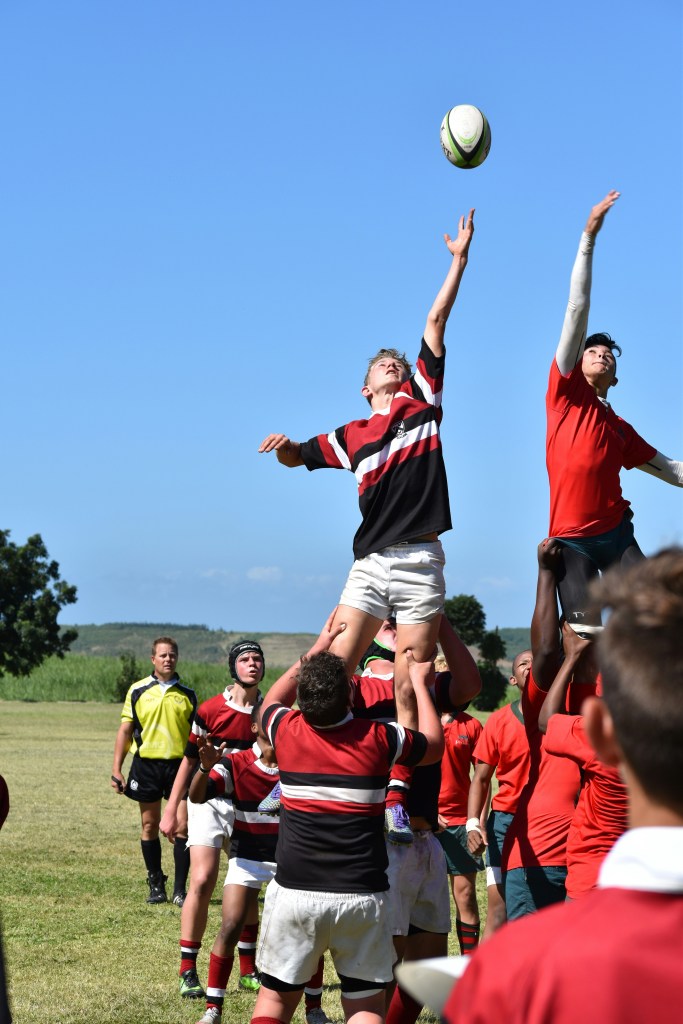
Most countries that win the most medals are developed nations with good living standards and a high level of well-being. However, the converse causation isn’t applicable.
Merely owning wealth helps achieve medals, yet it doesn’t guarantee a happy and healthy society or true well-being. A wealthy country might have great stadiums and sports success. Yet if it lacks accessible healthcare, safe neighborhoods, high-quality education, and public services, its national sports achievements may only bring temporary success, not real proof of overall well-being and lasting growth.
5. At the end, the system matters
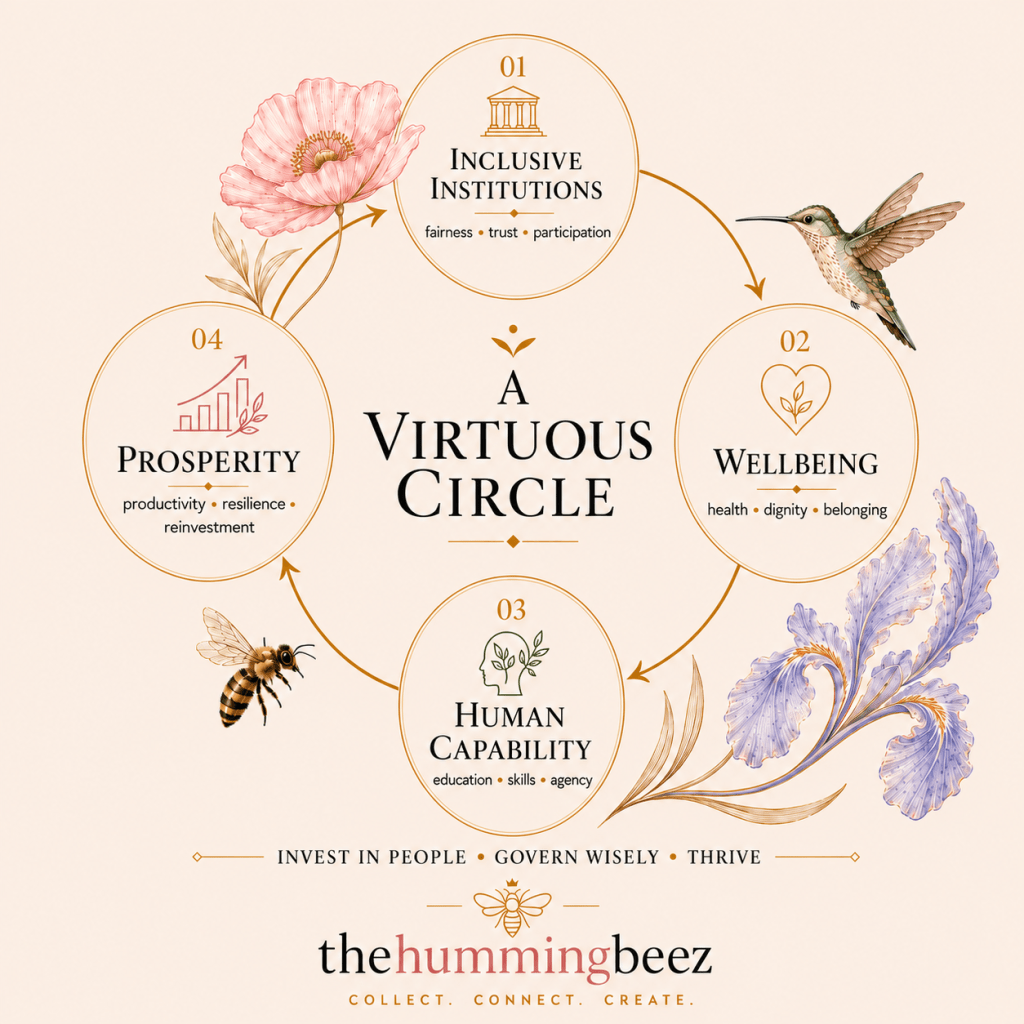
Perhaps the relationship is a reinforcing circle:
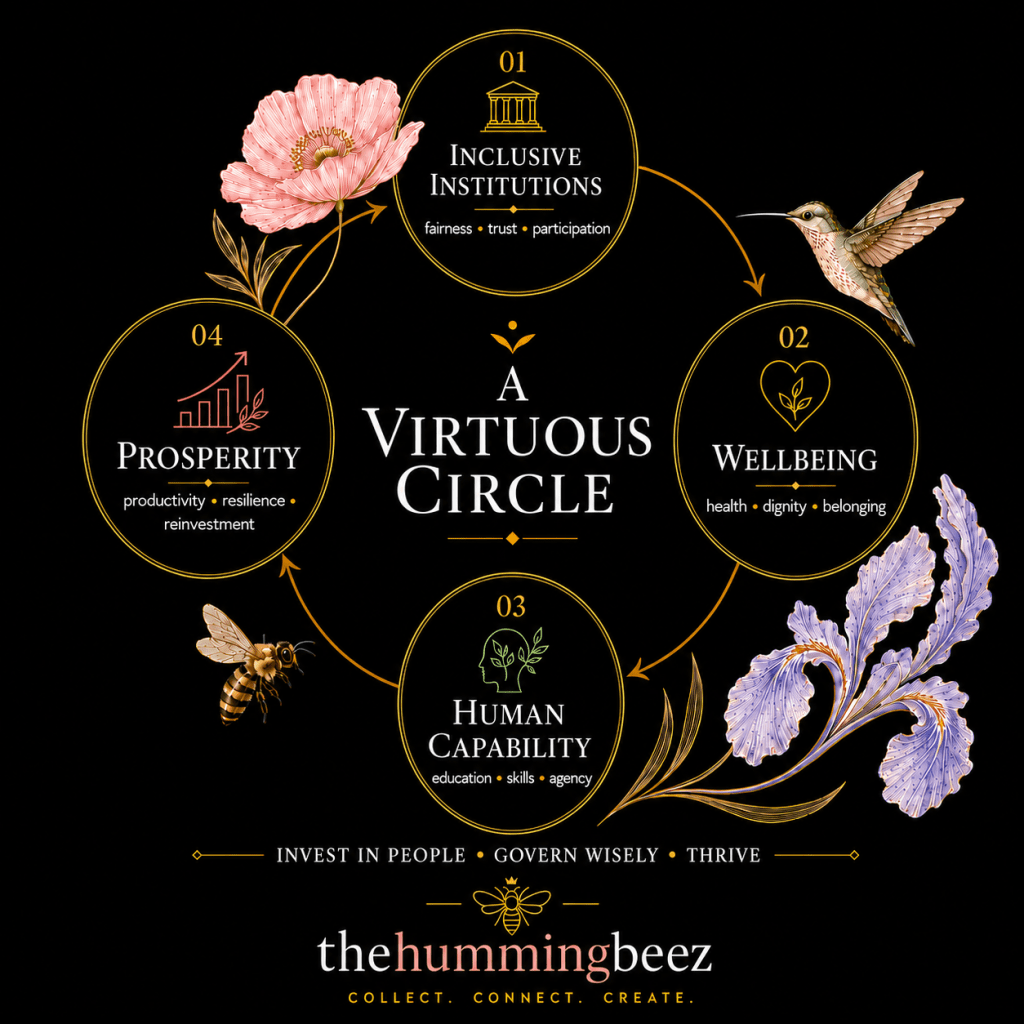
Inclusive institutions enable wellbeing; wellbeing strengthens human capability; human capability supports prosperity; and prosperity, governed wisely, can be reinvested in people.
Correlation is not automatically causation. Every national example comes with historical, cultural and political exceptions. Still, the recurring pattern suggests that wealth can help finance wellness. Well-being can strengthen the people and capabilities that create sustainable wealth.
May the best team win, and medals fairly belong to the capable. Yet, in this context, A medal table cannot tell us whether a nation is truly well. Neither can GDP.
Perhaps the wealthiest nation is not simply the one that wins the most gold.
But the one whose people remain well enough to enjoy living and define what victory means for themselves.
References
BBC News. (2026, May 23). Excessive social media ‘negatively impacts wellbeing’. https://www.bbc.com/news/articles/cgmp493wpj0o
Helliwell, J. F., Layard, R., Sachs, J. D., De Neve, J.-E., Aknin, L. B., & Wang, S. (Eds.). (2026). World Happiness Report 2026. Wellbeing Research Centre, University of Oxford. https://www.worldhappiness.report/ed/2026/
International Olympic Committee. (2024). Paris 2024 Olympic medal table. Olympics.com. https://www.olympics.com/en/olympic-games/paris-2024/medals
Organisation for Economic Co-operation and Development. (2024). OECD economic surveys: Japan 2024. OECD Publishing. https://doi.org/10.1787/41e807f9-en
Organisation for Economic Co-operation and Development. (2025). Korea’s unborn future: Understanding low-fertility trends. OECD Publishing. https://doi.org/10.1787/005ce8f7-en
Organisation for Economic Co-operation and Development, & European Commission. (2024). Health at a glance: Europe 2024—State of health in the EU cycle. OECD Publishing. https://doi.org/10.1787/b3704e14-en
Royal Swedish Academy of Sciences. (2024, October 14). The Sveriges Riksbank Prize in Economic Sciences in Memory of Alfred Nobel 2024. Nobel Prize. https://www.nobelprize.org/prizes/economic-sciences/2024/press-release/
Sun, A. W. (2020). Medal count disparities at the Olympic Games: An econometric analysis of the determinants of national Olympic success using an economic growth framework [Master’s thesis, Copenhagen Business School]. CBS Research Portal. https://research.cbs.dk/en/studentProjects/medal-count-disparities-at-the-olympic-games-an-econometric-analy/
United Nations Population Fund China. (n.d.). Population dynamics. https://china.unfpa.org/en/topics/population-dynamics
World Bank. (2013, July 8). Brazil’s protests: The bursting of a complacency bubble. https://blogs.worldbank.org/en/developmenttalk/brazil-s-protests-bursting-complacency-bubble
World Bank. (2022). Inequality in Southern Africa: An assessment of the Southern African Customs Union. World Bank Group. https://openknowledge.worldbank.org/entities/publication/9f8e4073-25f9-562c-8e3b-541c99dd42cb
World Health Organization. (2024, June 26). Physical activity. https://www.who.int/news-room/fact-sheets/detail/physical-activity
 The Hummingbeez
Leave a comment